


Psychotherapy and Mental Health Counseling in New York | Asian & Asian American Therapists in New York
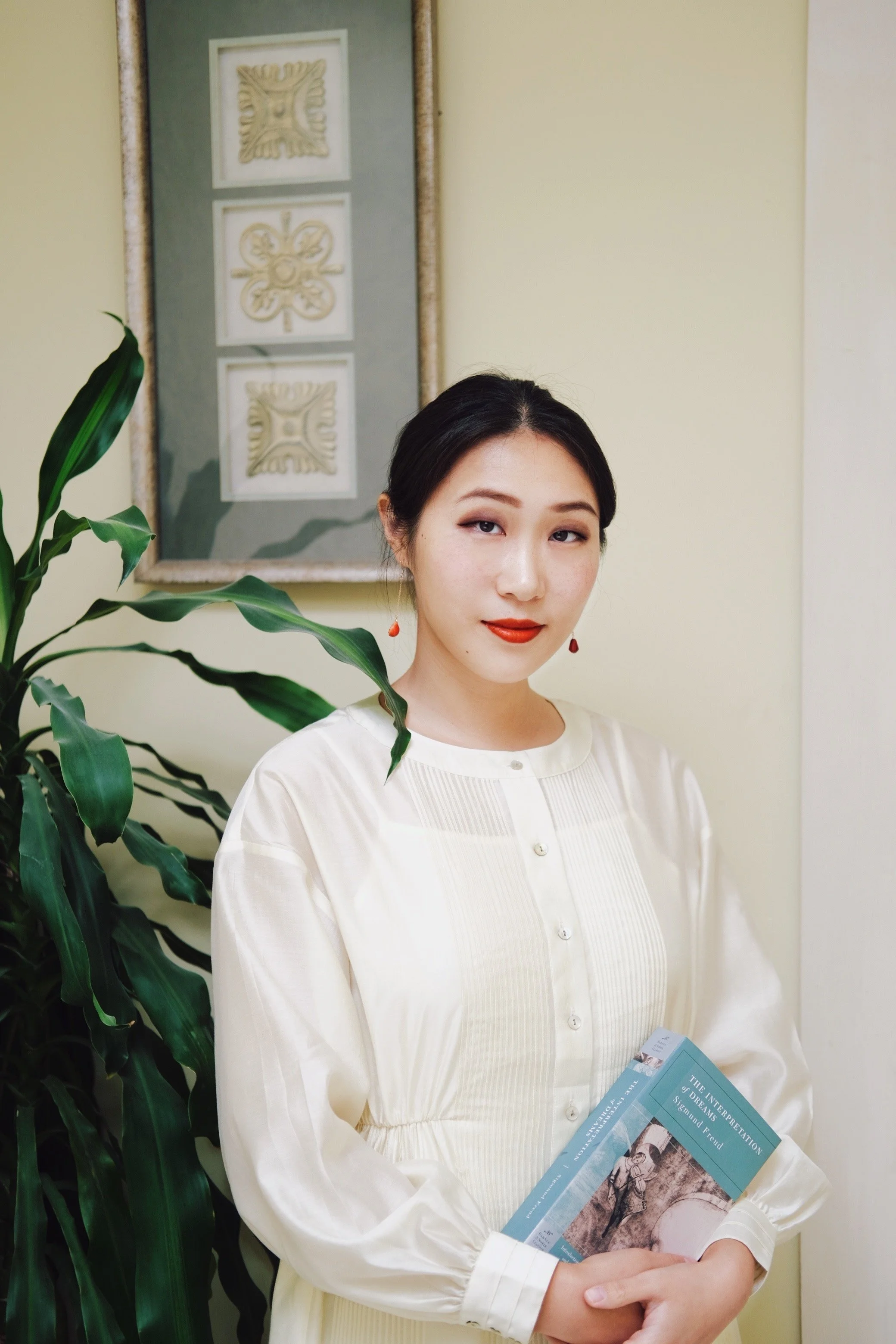
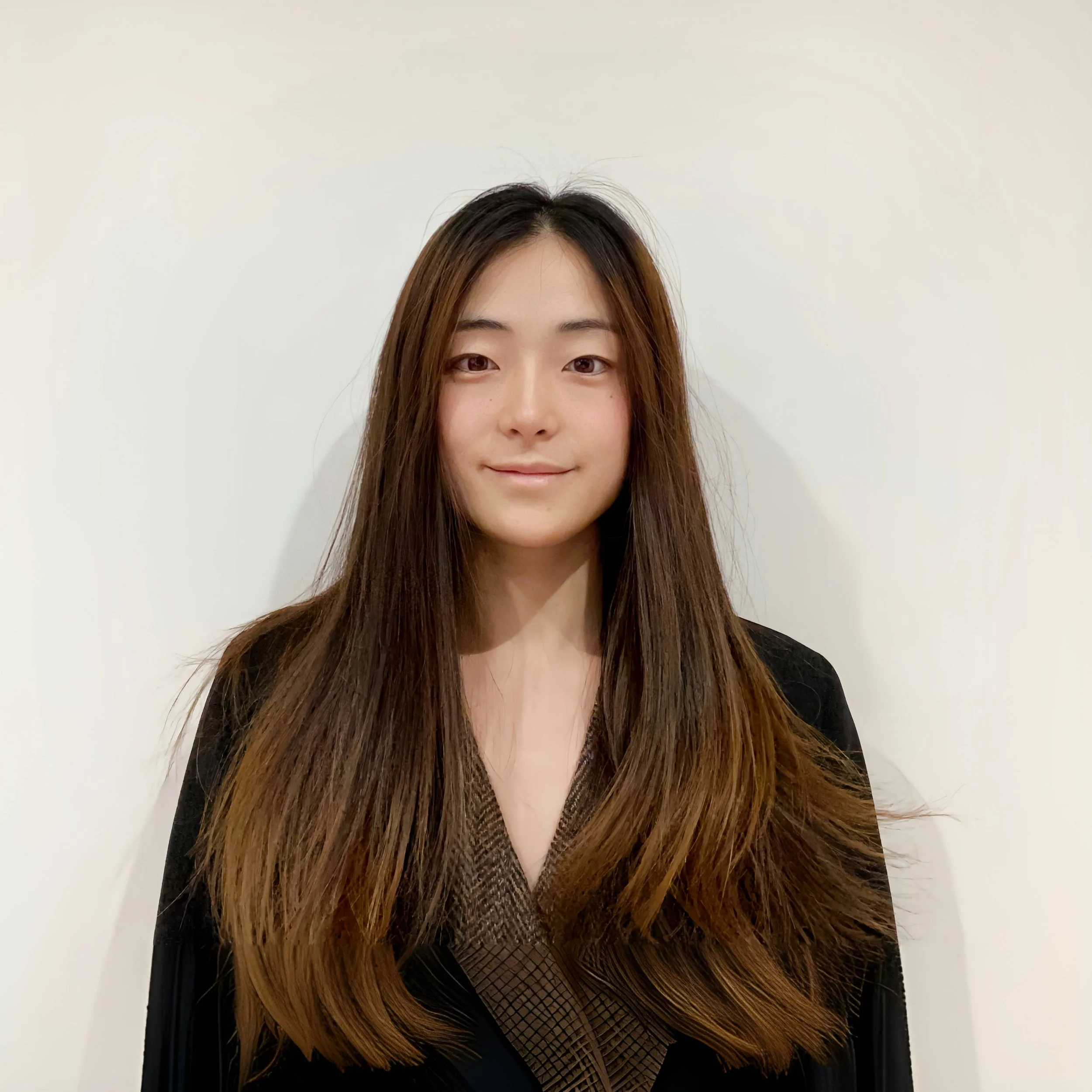
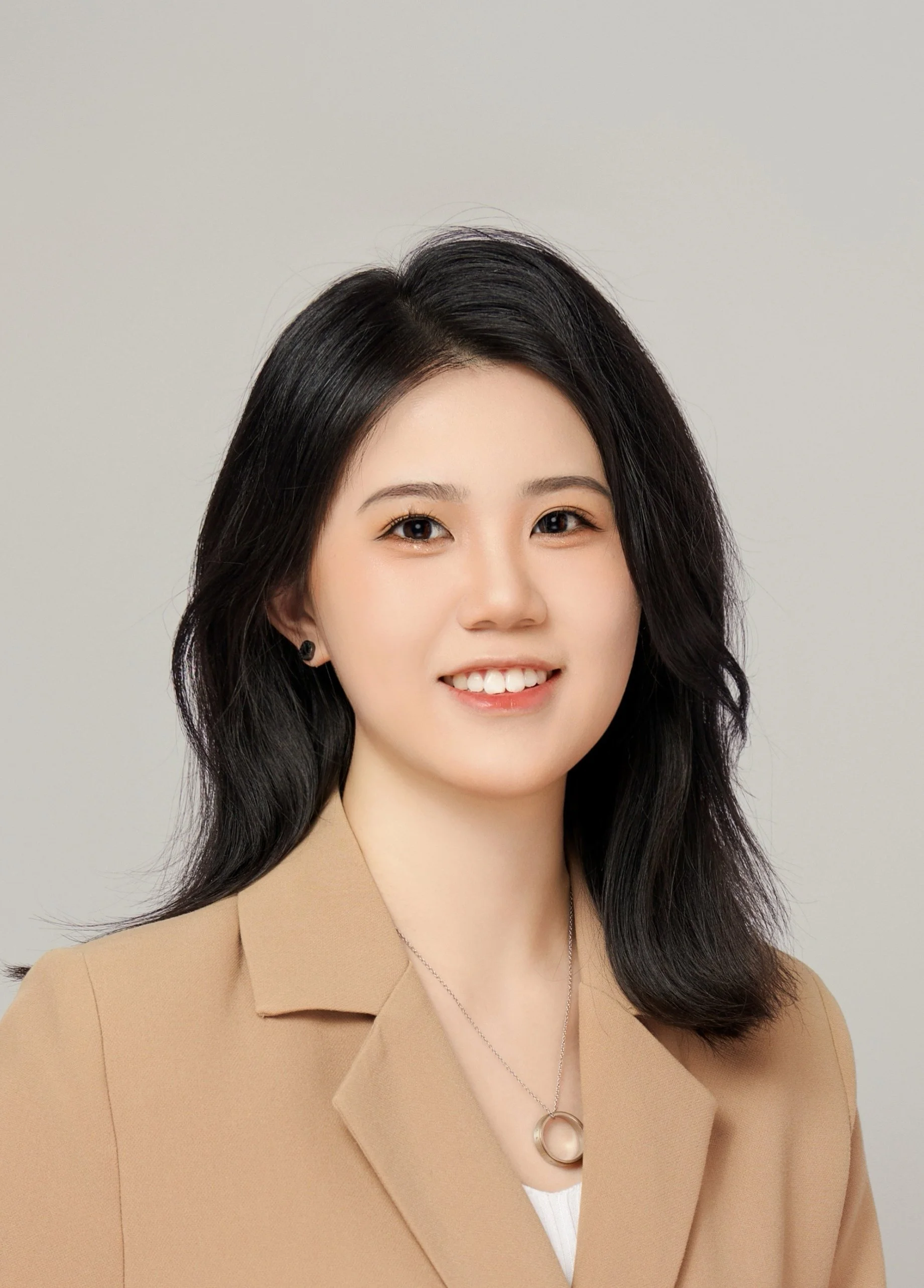
Jenny Yue Wang, LMHC
Senior Psychotherapist and Supervisor


We accept most major commercial insurance plans, including Aetna, Wellfleet, Cigna, United Healthcare, Oxford, Oscar Health, Empire Blue Cross Blue Shield, and Carelon Behavioral Health, for residents of New York.

she, her, hers
My clinical work focuses on addiction-related concerns. I work with individuals who are navigating challenges related to alcohol, substances, or other addictive behaviors. I also work with the partners, children, parents, and friends who are affected by someone else's addiction.
I have over 3000 hours of clinical experience, much of it at an Asian American recovery community center, where most of my clients were immigrants navigating these issues within their families and across cultures. That experience taught me how much shame and confusion can surround topics like alcohol, marijuana, ketamine, cigarettes, or gambling, even when someone knows on some level that something isn't right. You might still be functioning fine on the outside. You go to work, you show up for your family, everything looks normal. But you notice something feels off, and you don't quite have the words for it yet. Whether you're the one dealing with this directly or you're someone supporting a person you love, I see our work together as starting from a place giving these experiences some language and better understanding them.
If you're the one navigating addiction, we'll talk about how this behavior became part of your life in the first place, what it might have been doing for you, and how it's shaped your relationships, your emotions, and your decision-making process. I also want to make room for the fact that change is rarely straightforward. You might genuinely want things to be different, and at the same time, some part of you isn't ready to let go of this yet. Both things can be true, and we don't need to rush past that.
If you're someone who loves a person struggling with addiction, I will give attention to the roles you've probably been carrying without much acknowledgment. You're likely the one holding things together, watching for problems, trying to protect your family, all while slowly losing track of what you yourself actually need. We'll talk about what it's really been like for you, day after day, living alongside someone else's addiction, and we'll work on how you can keep showing up for the people you love without losing yourself in the process.
My approach to this work is grounded in harm reduction. I don't walk in assuming everyone needs to get to total abstinence right away. Instead, I use motivational interviewing to help you figure out what actually matters to you, what you're motivated to change and why. We start with the change you genuinely want, not the change someone else thinks you should want, and build from there toward a healthier relationship with yourself, with alcohol or substances, and with your life more broadly.
I know these are things that can be hard to talk about, sometimes for a long time. I'm glad you're willing to start. This won't necessarily be easy, but it's a real chance to understand yourself better and find some new ways of living forward.

Top Specialties
Alcohol & Substance Use
Addiction
Grief and Loss
Trauma & C-PTSD
Expertise
Depression
Anxiety
OCD
Life Transitions
Identity Issues
Self-Esteem
Relationship Issues
Family Conflict
I Work With
Individuals
Couples
Education
New York University
Licensure
LMHC State of New York / 016232
About Jenny
-
My path to becoming a therapist was shaped by curiosity about people and their stories. In high school, I was drawn to journalism because I was interested in understanding people’s experiences and sharing stories that could support them in making changes. During college, an unexpected opportunity led me to psychology, where I became fascinated by human development and the ways people adapt to life experiences. I later pursued graduate training in counseling and discovered that therapy brought together many things I value: curiosity, meaningful conversations, and the opportunity to support people through difficult moments. My clinical experience has primarily been in community mental health, which shaped my perspective that behaviors are often connected to deeper emotions, relationships, and life experiences. Today, I continue to bring this lens into my work with clients. I also believe the value and impact of establishing the community. I wish I could bring my professional skills to support and empower the local community.
-
Sessions with me tend to move at your pace, not a predetermined timeline. Early on, I'm listening more than directing, paying attention to how you talk about the behavior, what language you reach for or avoid, and what seems to matter most to you, even if you haven't said it directly yet. I use motivational interviewing, which in practice means I won't tell you what you should want. If you're ambivalent about change, wanting to drink less but not sure you're ready, wanting to set a boundary with a family member but afraid of the consequences, I'll help you sit with that ambivalence rather than push you past it. Feeling stuck is normal and is okay. If you're the loved one of someone struggling with addiction, I may occasionally involve them in a session if it's clinically appropriate and something you both want, but our work is still primarily about you.
-
I often think of my favorite clients who actually said in our first few sessions, like "I don't even know if this counts as a problem." "I can stop anytime, I just don't want to right now." "Everyone thinks I'm the strong one, so I don't really say anything." "I'm not here for me, I'm here because I don't know how else to help them." These are people who are usually still functioning, while privately carrying something they haven't found words for yet. Some come in mandated by a partner or a third party, unsure if they even want to be here, and that's alright with me. Ambivalence is a starting point, not a barrier. Others are the ones who've never been asked what they need, because they've spent so long being the person everyone else relies on. What they're usually asking for, underneath it all, isn't a fix, it's permission to stop pretending everything's fine, and a little more clarity about who they are outside of the role they've been playing.
-
I completed a 9-month training in Motivational Interviewing, which continues to shape how I sit with ambivalence rather than push clients toward a predetermined outcome. I'm also currently in ongoing training in Internal Family Systems (IFS) and Acceptance and Commitment Therapy (ACT), both of which have deepened how I help clients relate to the different, sometimes conflicting parts of themselves that show up around addiction and change. Looking ahead, I'm interested in pursuing further training in trauma-informed approaches, including EMDR. I've come to believe that grief and loss are often present underneath addiction-related struggles in ways that don't get named or fully addressed. I want to be able to hold that layer of the work when it's relevant to a client's healing. Collaboration with other providers is also an important part of how I work, particularly in SUD treatment. With a client's consent and when it's clinically appropriate, I stay in communication with psychiatrists, other treating clinicians, or support groups involved in someone's care. Addiction rarely exists in isolation, and I've found that treatment tends to be more effective and more coordinated when providers are working together.
-
One perspective that shapes my work is that addiction is rarely only about the behavior itself. The behavior often develops for a reason. It may have helped someone manage stress, loneliness, emotional pain, or experiences that felt overwhelming at the time. I also believe that in many cultural and family contexts, part of what keeps people stuck isn't a lack of willingness to change, but it's a lack of language. Many of us were never taught how to talk about these experiences, or even how to name what we're feeling. That absence of language can be as isolating as the addiction itself, both for the person struggling and for those around them. Because of this, I don't assume you should already know how to describe what you're going through. We can start wherever you're able to begin, even if that's simply, "I don't know what to say."

Our Therapists

-
![]()
Clarice Fangzhou Hassan, LCSW
-
![]()
Conny Chan, LCSW
-
![]()
Bingwan Liu, LCSW
-
![]()
Jessie Liu, LCSW
-
![]()
Aviva Waxler, LCSW
-
![]()
Yi Zhu, LCSW
-
![]()
Jun Deng, LCAT
-
![]()
Elizabeth Li, LMHC
-
![]()
Sia Li, LMHC
-
![]()
Amanda Shih-han Lu, LMHC
-
![]()
Shira Piasek, LMHC
-
![]()
Iris Chen Chen, MHC-LP
-
![]()
Rosie Ruoxi Chen, MHC-LP
-
![]()
Joyce Yunxin Gu, MHC-LP
-
![]()
Ella Xiaoxu Hong, MHC-LP
-
![]()
Huiyi Li, MA, MHC-LP
-
![]()
Jellin Lian, MHC-LP
-
![]()
Becky Shujing Wang, MHC-LP
-
![]()
Stacy Siqi Zheng, MHC-LP
-
![]()
Yuqing Liu, LCSW
-
![]()
Leah Mendelson, LMSW
-
![]()
Xiwen Su, LMSW
-
![]()
Sunny Keyan Shang, MHC-LP, LAC, Ms.Ed
-
![]()
Qingyang Xu, LMSW












Book a free 15-minute phone consultation.
We’re excited to hear from you! To get started, our intake specialist will schedule a quick 15-minute phone consultation to verify your insurance and match you with the therapist who’s the best fit for your needs.
We’ll respond to all messages within 48 business hours.
If this is an emergency, please call 911 or reach out to a crisis counselor at 1-888-NYC-WELL. We’re here for you!
Or Contact Us Directly.
To verify your insurance coverage, please email us using the form below. For all other inquiries, we respond within 48 business hours.
