



Psychotherapy and Mental Health Counseling in New York | Asian & Asian American Therapists in New York
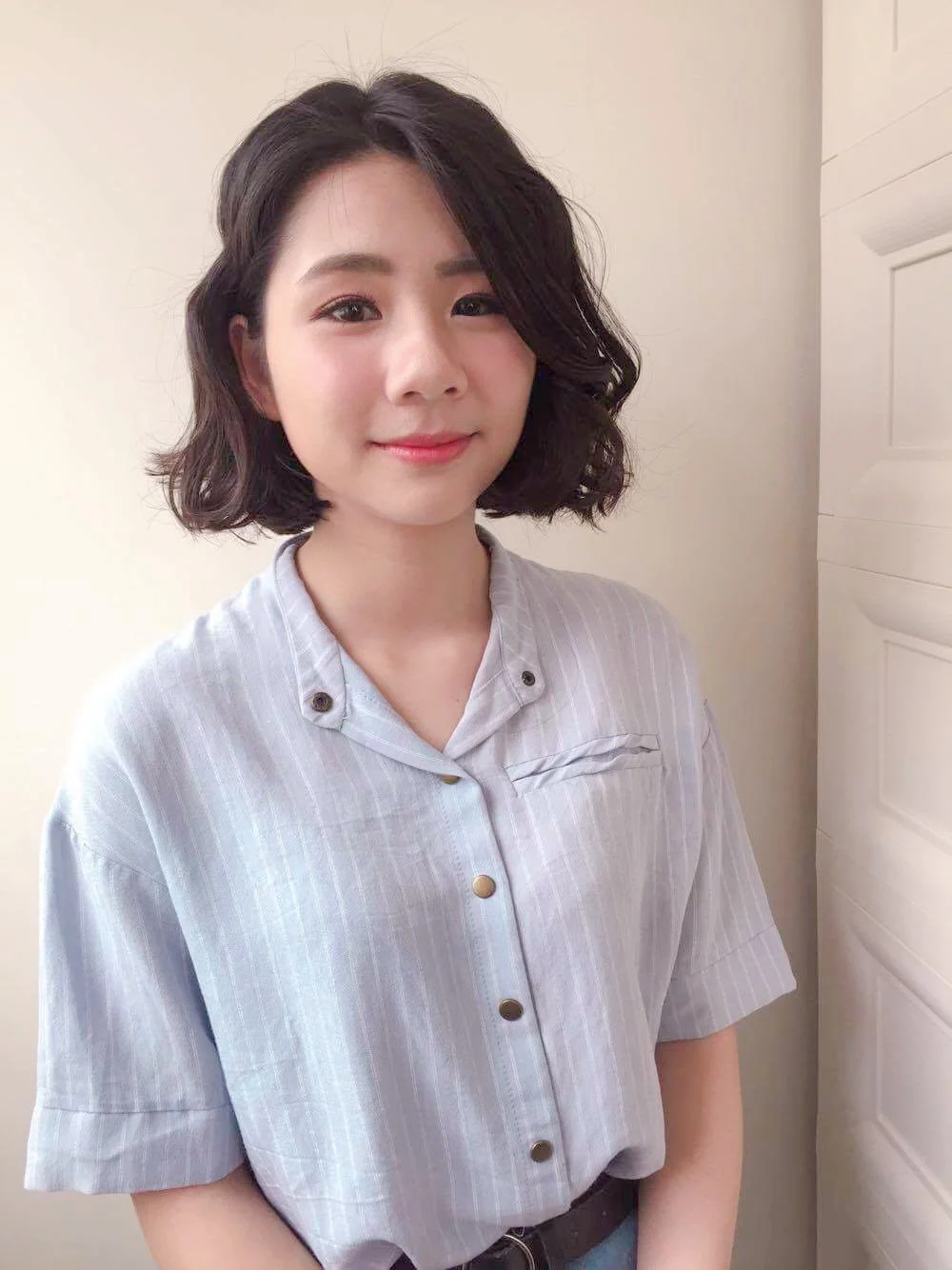
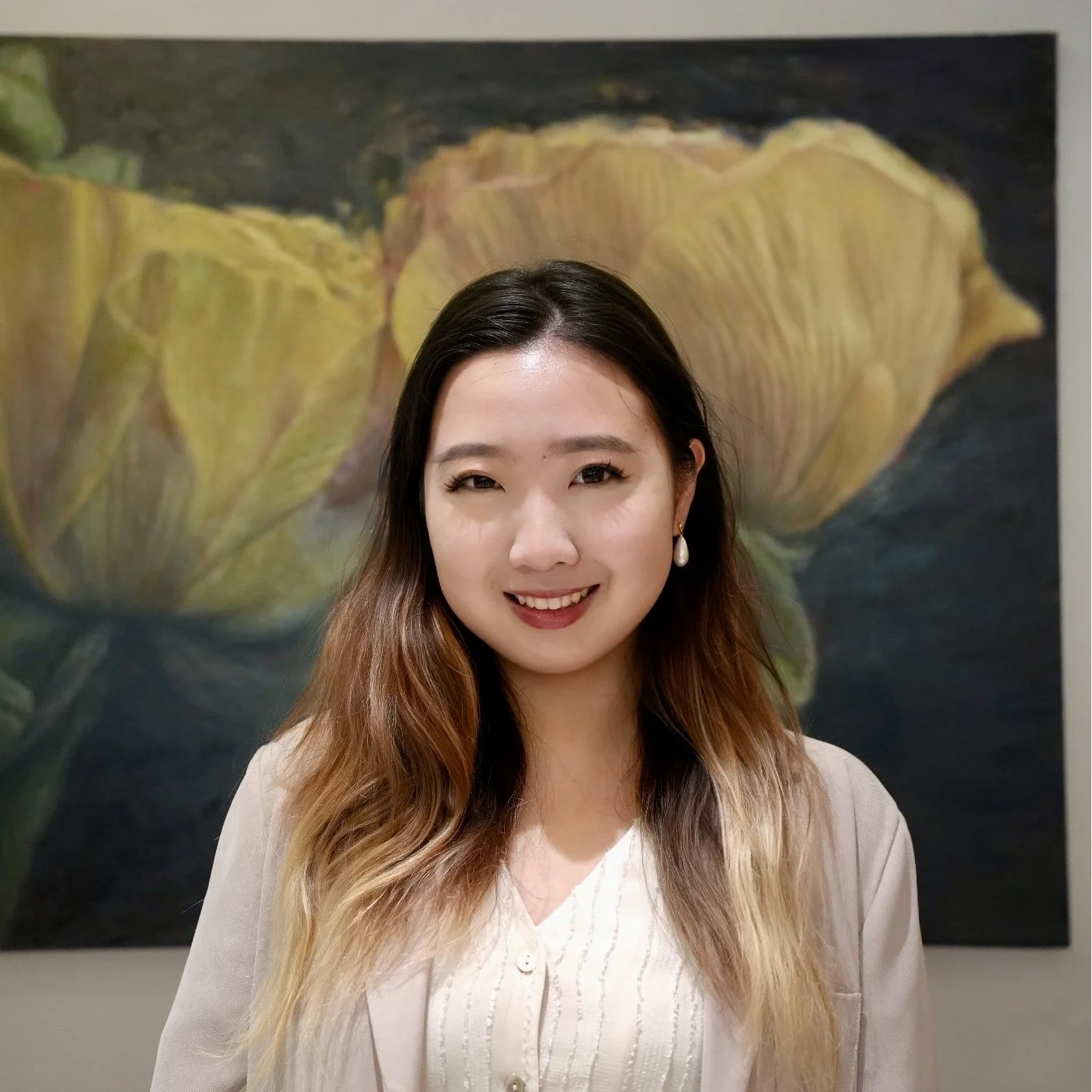
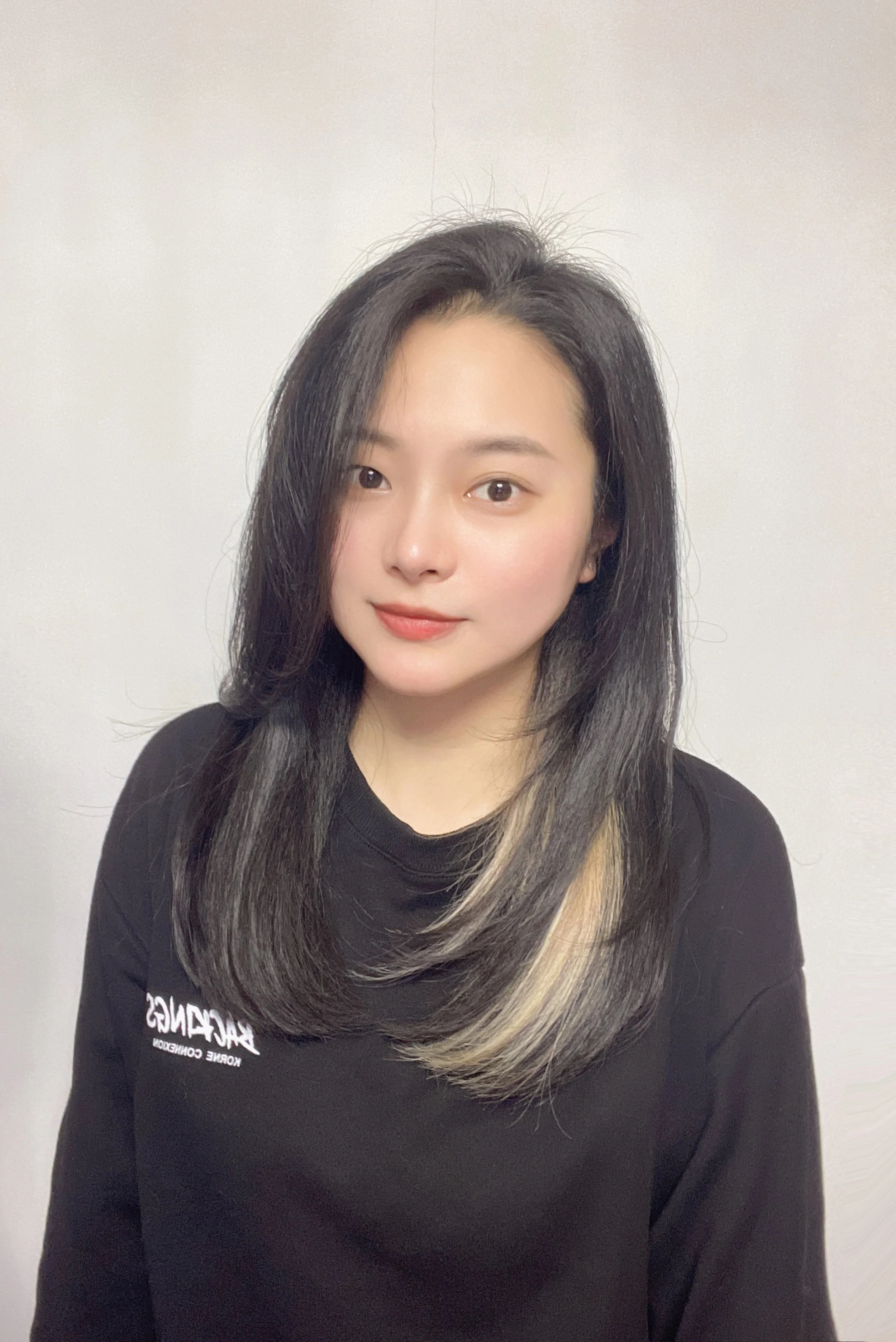
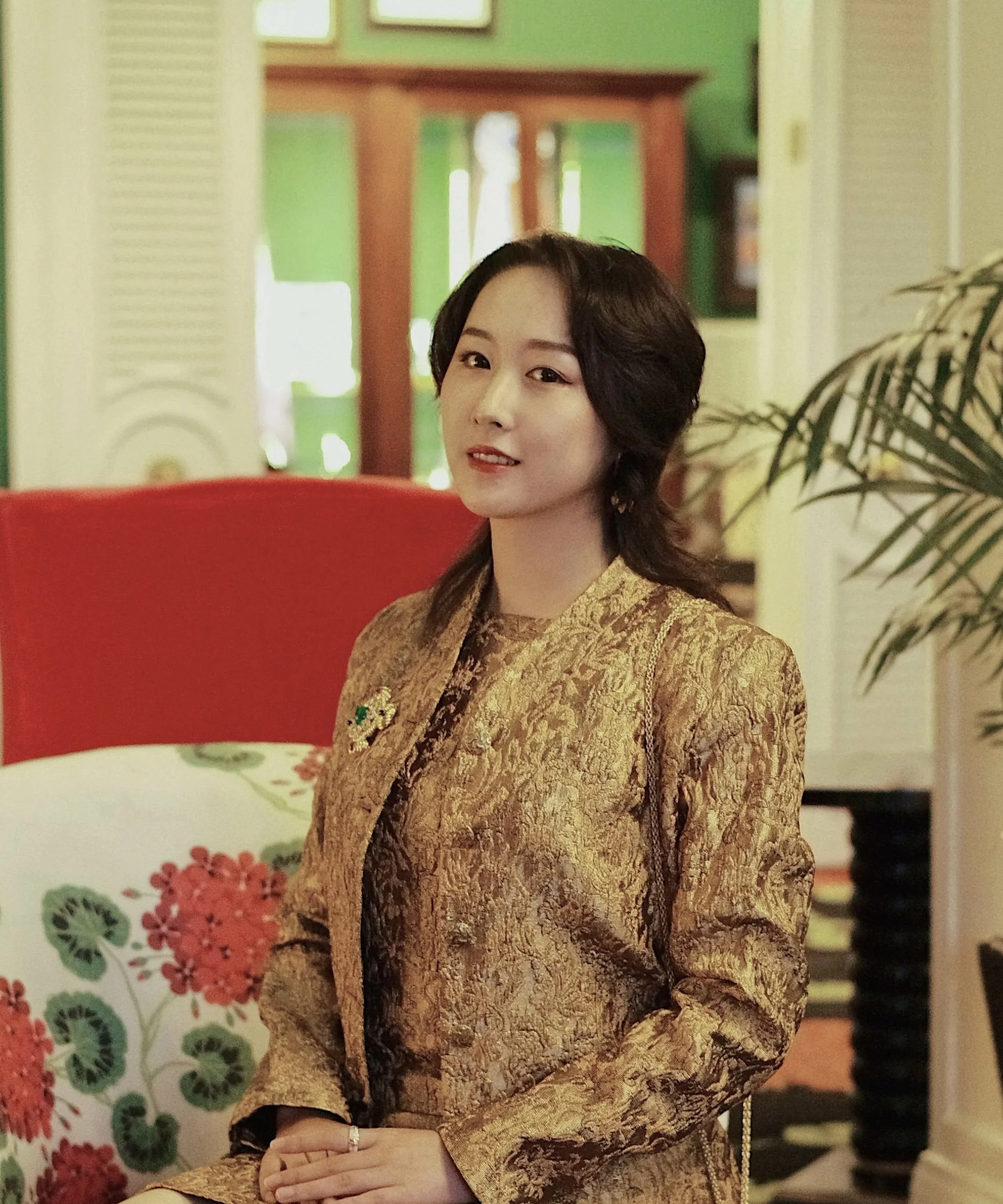
Wenqing Li, LMSW
Psychotherapist


We accept most major commercial insurance plans, including Aetna, Wellfleet, Cigna, United Healthcare, Oxford, Oscar Health, Empire Blue Cross Blue Shield, and Carelon Behavioral Health, for residents of New York.
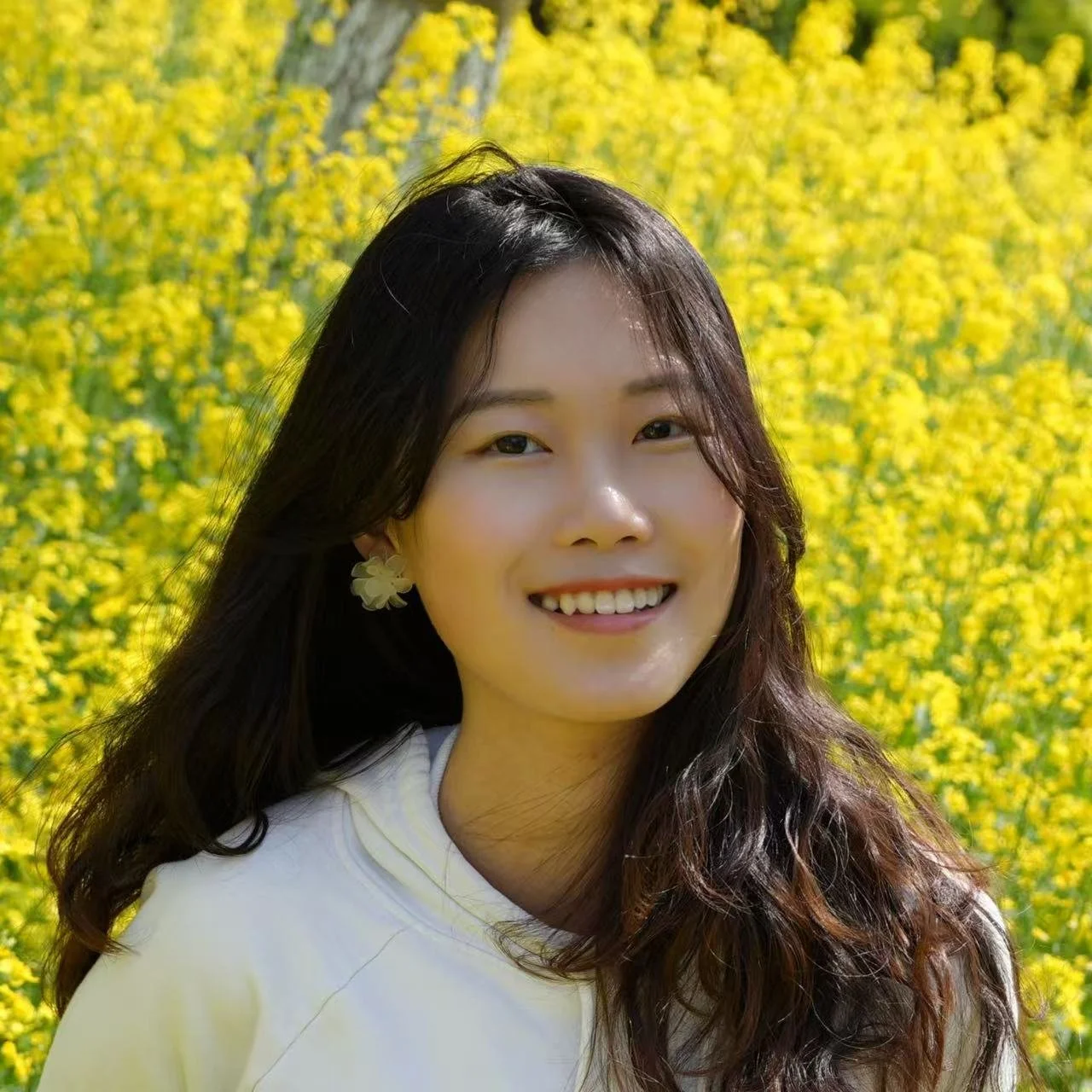
she, her, hers
I have worked with people navigating parenthood and caregiving in its all forms. Caregiving and early parenthood can be stressful, challenging, and even traumatizing, yet it is also deeply rewarding. It offers a unique window to help learn more about yourself and grow. This comes from my clinical training at Kaiser Permanente, CERI, and Shanghai Mental Health Center, and from my own family psychoeducation project in China, where I spent years studying how parents and children shape each other's mental health.
For many of my clients, caregiving carries an extra layer: being between two worlds, raised in one culture and now raising a family, or holding a life, in another. That layer makes the exhaustion feel heavier, and it's easy to feel like you're fighting alone, carrying a loneliness and powerlessness that no one around you quite understands. You may feel you always have to take care of everyone, feel guilty when you prioritize yourself, or struggle with family expectations across culture. Please allow me to stay with you, facing these challenges together.
I also sit with people at points of transition: grieving a loss, questioning their self-worth, or unsure how to want what they want. No worries. I will meet you where you are. I bring genuine openness, curiosity, and flexibility to my work, integrating different therapeutic modalities so treatment can adapt to who's actually in front of me. We can develop treatment goals and plans together, and build practical tools while making room for deeper healing. :)

Top Specialties
Caregiver Stress & Burnout
Postpartum & Early Parenthood
Immigration Stress & Trauma
Expertise
Depression
Anxiety & Phobia
Loneliness & Isolation
Grief & Loss
Self-Esteem
Relationship Issues
Obsessive-Compulsive Disorder (OCD)
PTSD & Adjustment disorder
Approaches
CBT
DBT
ACT
SFBT
Internal Family System (IFS) informed
Psychodynamic
Mindfulness-Based
Culturally Responsive
Trauma-Informed
I Work With
Individuals
Groups
Education
Masters of Social Work
UC Berkeley
Licensure
LMSW NY 4105702
ASW CA 139762
About Wenqing
-
It started before I even knew what "therapist" meant as a job title. I studied psychology in undergrad, but my real education began in elementary and middle school, watching close friends struggle with depression, eating disorders, and other mental health challenges. I wanted to help, but I quickly learned that caring wasn't enough. I needed real skills. So in school, I joined a mental health awareness group, where we ran a lunchtime podcast and put on short dramas about mental health. I loved that work, and it planted something important in me: the idea that therapy isn't only about curing symptoms. It's about helping someone get to know themselves more deeply, understand what they want, and learn how to communicate that to the people they love.
During undergrad in Shanghai, I did research and completed an internship at Shanghai Mental Health Center, where I sat in on my first therapy group and watched people grow in real time. That experience stayed with me. In grad school, I trained in CBT, DBT, ACT, SFBT, IFS, and motivational interviewing, which gave me a real toolkit to work from. I got to put that training into practice with immigrants and refugees at CERI, and later with a much more diverse population at Kaiser Permanente. I also started my own wellness psychoeducation group for international students and scholars at Berkeley, and volunteered with children and families facing mental health challenges. Each of these settings taught me something different about how culture, identity, and the intersections between them shape a person's wellbeing.
What makes me well suited for this work, I think, is that I've never stopped being that kid who wanted to sit with a struggling friend and just be present. The world is hard, but it's also colorful, and I want to be the person who stays, who sits with you, and explores its different sides alongside you. These experiences also taught me that healing isn't linear. There can be setbacks, relapses, hard stretches that seem to undo progress. But I'll be there through all of it. What I value most in this work is the therapeutic relationship itself: the transparency, the trust, having someone you feel safe enough to share even your darkest moments with, and navigating life together from there.
-
My intake process feels more like a conversation to get to know you, not an interrogation. When it comes to progress, we'll talk through your treatment goals and objectives together, and set measurable milestones so we both have a way to track how things are going. I do sometimes assign homework, but it really depends on what the treatment calls for. For example, with anxiety, real-life exposure practice is often really helpful, sometimes necessary. That said, if homework isn't something you want, we can always be flexible and find a different approach. I really hope you'll give me the chance to hear the thoughts and feelings you haven't known who to share with, and even if you don't know how to put them into words yet, I'll be there the whole way.
-
The clients I work best with are the ones who show up to each session open and willing to try the things we talked about, like taking a ten-minute walk near home each day. Often, in their own words, what they're asking for is pretty simple: better sleep, fewer tears during the day, fewer depression or anxiety symptoms, or just wanting to feel better overall. It's okay if you don't know exactly what you want, or you don't know how to put it into words yet. As long as you're willing to put in the time and effort, and stay open to working together, that's really all I need from you.
-
I'm excited about telehealth because it breaks down so many barriers and makes care so much more accessible, especially for people with limited time to commute, or who can hardly bring themselves to leave their room some days. Beyond that, I'm especially excited about the integration of technology into mental health care more broadly. I have some of my own startup projects using AI and hardware, aimed at detecting early warning signs and delivering more proactive interventions. I've also built an automated assistant that can check in with patients between sessions, to see how they're doing and whether they're following through on the action plans we set together, which really helps with treatment engagement and outcomes. I know there's a lot of debate right now about whether AI belongs in mental health care at all. I'm not talking about an AI therapist replacing a human one. The human relationship, the real connection between two people, is something that can never be replaced, and I value that deeply. What I'm passionate about is using technology to support and strengthen that relationship, to make treatment more effective.
-
There's often an evidence-based, "first-line" therapy for a given presentation, like CBT for anxiety disorders. But I don't think that one-size-fits-all approach works for everyone. I often ask what kind of therapy feels right to you, and what actually feels helpful. Sometimes we might spend an entire session just figuring that out together, rather than diving straight into a protocol. I don't see that as a detour. It's part of the work, and it teaches me a lot about who you are. Therapy isn't only about reducing symptoms. It's about you, as a whole person, and I believe anything about you can be useful to bring into the room.

Our Therapists

-
![]()
Clarice Fangzhou Hassan, LCSW
FOUNDER AND CEO
-
![]()
Conny Chan, LCSW
SENIOR PSYCHOTHERAPIST AND SUPERVISOR
-
![]()
Bingwan Liu, LCSW
SENIOR PSYCHOTHERAPIST AND SUPERVISOR
-
![]()
Jessie Liu, LCSW
SENIOR PSYCHOTHERAPIST AND SUPERVISOR
-
![]()
Aviva Waxler, LCSW
SENIOR PSYCHOTHERAPIST
-
![]()
Yi Zhu, LCSW
SENIOR PSYCHOTHERAPIST AND SUPERVISOR
-
![]()
Jun Deng, LCAT
PSYCHOTHERAPIST
-
![]()
Elizabeth Li, LMHC
SENIOR PSYCHOTHERAPIST AND SUPERVISOR
-
![]()
Sia Li, LMHC
SENIOR PSYCHOTHERAPIST AND SUPERVISOR
-
![]()
Amanda Shih-han Lu, LMHC
SENIOR PSYCHOTHERAPIST AND SUPERVISOR
-
![]()
Shira Piasek, LMHC
SENIOR PSYCHOTHERAPIST
-
![]()
Iris Chen Chen, MHC-LP
PSYCHOTHERAPIST
-
![]()
Rosie Ruoxi Chen, MHC-LP
PSYCHOTHERAPIST
-
![]()
Joyce Yunxin Gu, MHC-LP
PSYCHOTHERAPIST
-
![]()
Ella Xiaoxu Hong, MHC-LP
PSYCHOTHERAPIST
-
![]()
Huiyi Li, MA, MHC-LP
PSYCHOTHERAPIST
-
![]()
Jellin Lian, MHC-LP
PSYCHOTHERAPIST
-
![]()
Becky Shujing Wang, MHC-LP
PSYCHOTHERAPIST
-
![]()
Stacy Siqi Zheng, MHC-LP
PSYCHOTHERAPIST
-
![]()
Yuqing Liu, LCSW
PSYCHOTHERAPIST
-
![]()
Leah Mendelson, LMSW
PSYCHOTHERAPIST
-
![]()
Xiwen Su, LMSW
PSYCHOTHERAPIST
-
![]()
Sunny Keyan Shang, MHC-LP, LAC, Ms.Ed
PSYCHOTHERAPIST
-
![]()
Qingyang Xu, LMSW
PSYCHOTHERAPIST




Book a free 15-minute phone consultation.
We’re excited to hear from you! To get started, our intake specialist will schedule a quick 15-minute phone consultation to verify your insurance and match you with the therapist who’s the best fit for your needs.
We’ll respond to all messages within 48 business hours.
If this is an emergency, please call 911 or reach out to a crisis counselor at 1-888-NYC-WELL. We’re here for you!
Or Contact Us Directly.
To verify your insurance coverage, please email us using the form below. For all other inquiries, we respond within 48 business hours.
