



Psychotherapy and Mental Health Counseling in New York | Asian & Asian American Therapists in New York
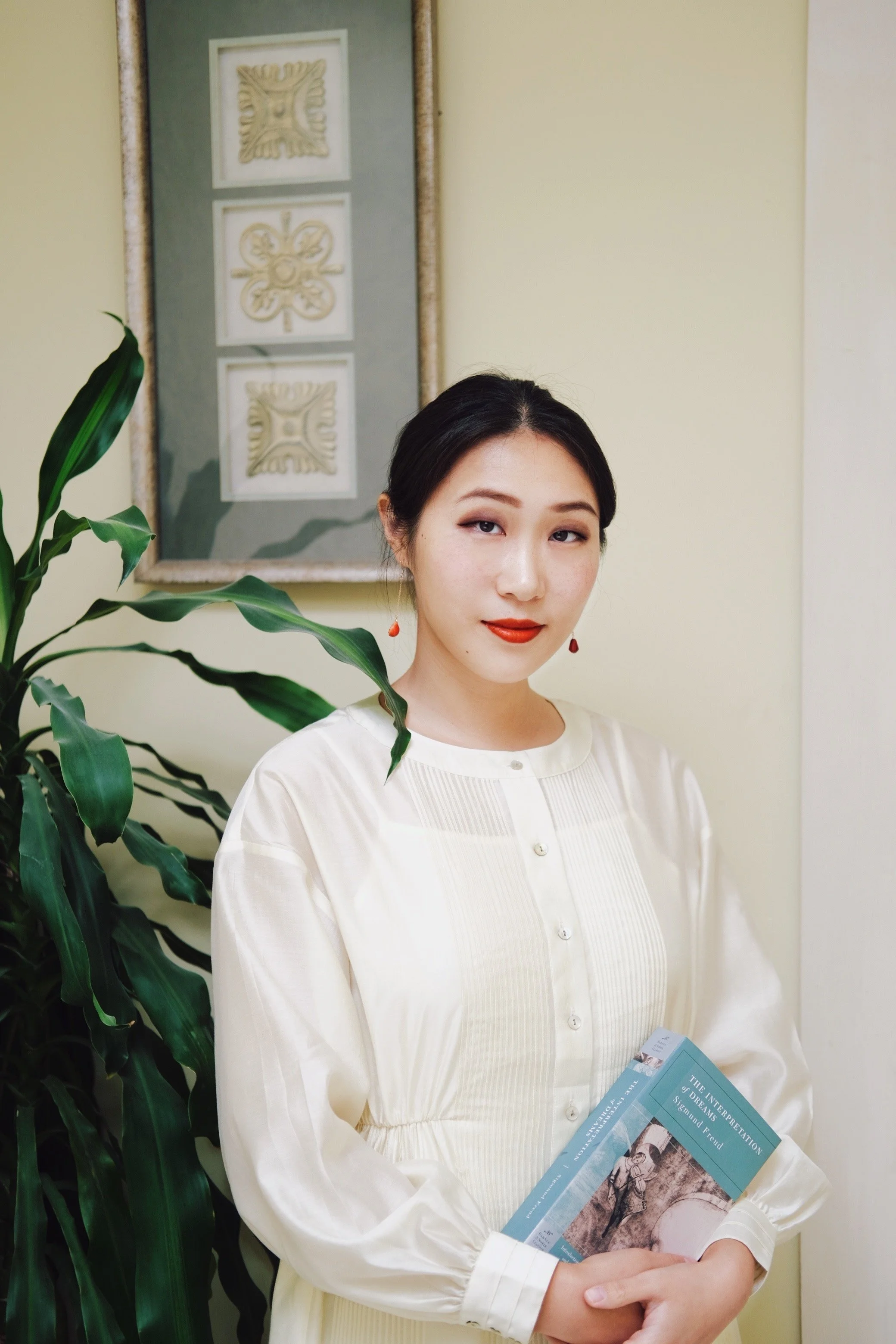
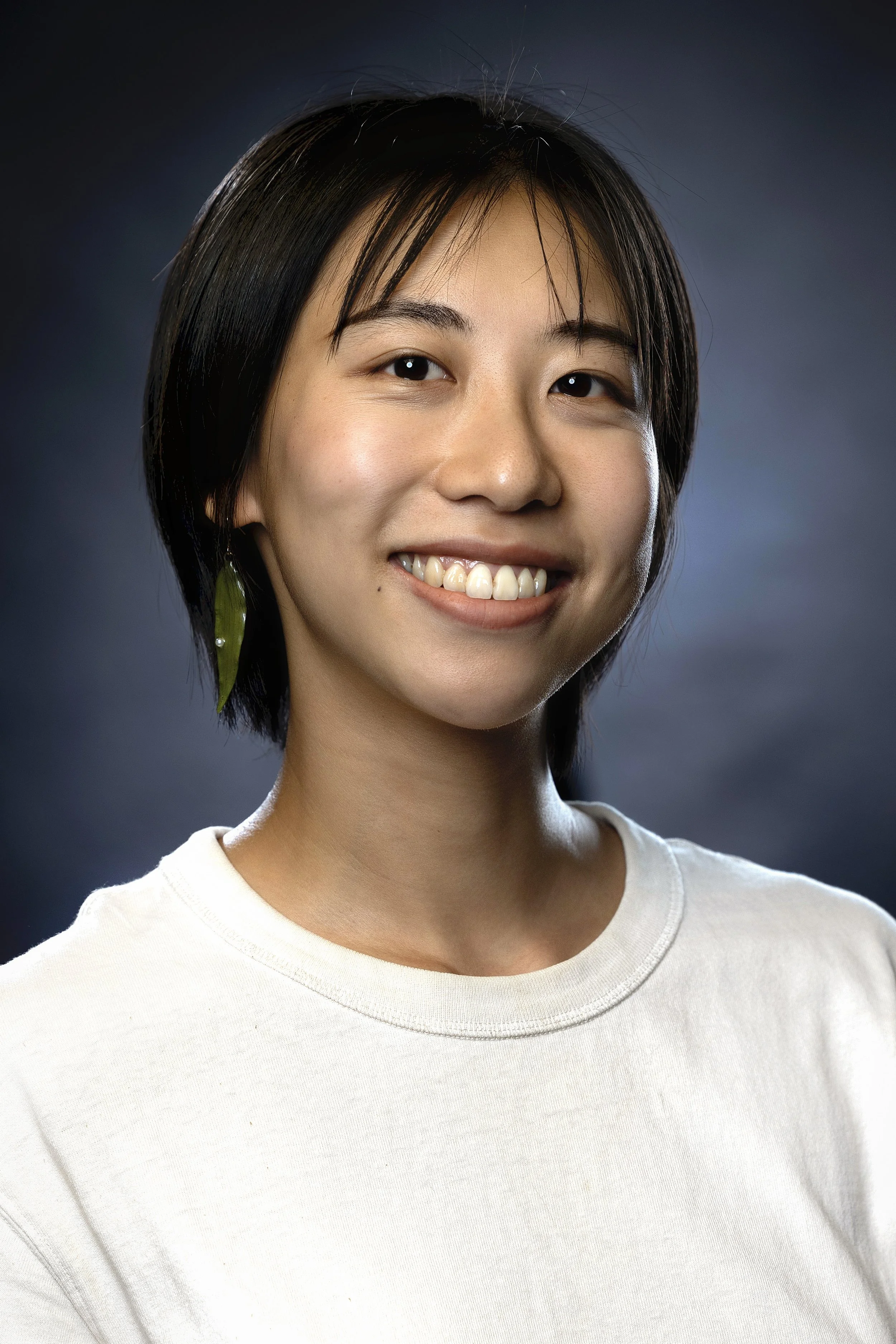
Karina Yuchen Wang, MA, MHC-LP
Psychotherapist


We accept most major commercial insurance plans, including Aetna, Wellfleet, Cigna, United Healthcare, Oxford, Oscar Health, Empire Blue Cross Blue Shield, Curative, NYSHIP, and Carelon Behavioral Health, for residents of New York, New Jersey and California.

She, her, hers
I offer therapy in Mandarin and English for adults navigating depression, anxiety, relationships, life transitions, and questions of identity and belonging. My approach is warm, collaborative, and curious. Together, we can slow down, understand the patterns shaping your life, and make space for what you truly want—not just what you feel you “should” want.

Top Specialties
Depression
Anxiety
Trauma
Life Transitions
Relationship & Interpersonal Issues
Self-Esteem & Identity
Expertise
Emotional Regulation
Communication & Boundaries
Family Conflict
Cross-Cultural Issues
Personal Growth
Career & Academic Stress
Approaches
Person-Centered
Psychodynamic
Cognitive Behavioral Therapy (CBT)
Dialectical Behavior Therapy (DBT-Informed)
Motivational Interviewing (MI)
Acceptance and Commitment Therapy (ACT)
I Work With
Individuals
Education
Columbia University, MEd & MA in Mental Health Counseling
Licensure
MHC-LP State of New York/18-P132619-02
About Karina
-
I have always been curious about why we become who we are—how our families, relationships, cultures, and experiences quietly shape the way we see ourselves and move through the world. That curiosity became especially personal after moving from China to the U.S. and learning what it means to build a life between different cultures, expectations, and ways of understanding yourself. Before becoming a therapist, my experience in HR gave me the opportunity to connect with people from different backgrounds and stages of life. I often noticed how easily people could become caught up in what they were supposed to do—what a successful career, a good child, or a “right” life should look like—while having little space to ask what they actually wanted. That stayed with me and became one of the questions I continue to explore in my work today. I think my natural curiosity, attentiveness to different perspectives, and experience living between cultures have shaped the way I show up as a therapist. Rather than assuming there is one right way to live or understand an experience, I try to approach each person with openness and curiosity. What continues to draw me to this work is the opportunity to sit with someone long enough to understand how they became who they are, until the pieces of their story begin to make a little more sense.
-
You do not need to come to therapy knowing exactly what is wrong or what you want to work on. Sometimes all you know is, “Something doesn’t feel right,” “I keep ending up in the same place,” or “I understand this logically, but I still can’t seem to change it.” That is enough of a place to begin. Working with me is collaborative and conversational. I will listen, but I will also ask questions, notice patterns with you, and gently challenge you when I think there may be another way of seeing something. Some sessions may involve looking backward and understanding where a pattern began; others may focus on what is happening right now and what you can do differently. I draw from person-centered, psychodynamic, CBT, DBT, and motivational interviewing depending on what you need. I do not expect therapy to look the same for everyone. Sometimes progress is a big change; sometimes it is catching yourself five minutes earlier, saying something you normally would have swallowed, or realizing, “I don’t actually have to respond the way I always have.”
-
I often connect well with people who look like they are doing fine from the outside but spend a lot of time questioning themselves on the inside. Maybe you are responsible, thoughtful, and used to doing what you are “supposed” to do—but still find yourself wondering: Why am I so anxious? Why do I care so much about what other people think? Why is it so hard to say no? What do I actually want? I especially enjoy working with people who are curious about themselves, even when they do not have all the words yet. You may notice the same relationship patterns repeating, feel caught between your own needs and other people’s expectations, or know intellectually that something should not bother you while still feeling deeply affected by it. You do not need to arrive ready to change everything. Curiosity is often enough. We can start there.
-
I have always been more interested in what lies behind an answer than the answer itself. Two people can make the exact same choice, yet arrive there through completely different experiences, emotions, and ways of understanding the world. I think this curiosity, along with being someone who genuinely enjoys listening, has taught me not to assume that I understand someone simply because their experience looks familiar. Living between Chinese and American cultures has deepened this perspective. Culture can shape how we understand family, relationships, success, emotions, and even what it means to take care of ourselves. At the same time, I know that sharing a cultural background does not mean sharing the same experience. Cultural sensitivity, to me, means staying curious about what your identities and experiences mean to you, rather than assuming I already know. These values—curiosity, authenticity, compassion, and respect for individuality—shape how I approach therapy. I hope to create a space where you feel deeply heard without being defined by assumptions, labels, or expectations, and where we can look beyond what you think or feel to understand why it makes sense for you.
-
I do not believe that every uncomfortable feeling needs to be fixed. Many of us come to therapy hoping to stop feeling anxious, sad, angry, or hurt. But these emotions are also part of being human, and sometimes they are telling us something important. To me, healing does not always mean making a feeling disappear. Acceptance can be just as meaningful as change—learning that we can make room for an emotion without letting it define us or stop us from moving forward. There may even be experiences that always bring some sadness, grief, or pain when we look back on them. The goal does not have to be reaching a point where we feel nothing at all. Sometimes growth is being able to say, “This still hurts, and I can carry it differently now.” Therapy, to me, is also not about becoming the most well-adjusted version of what everyone else expects you to be. Sometimes growth means learning new skills and changing old patterns. Other times, it means asking a much harder question: Do I actually want this, or have I just learned that I should?

Our Therapists

-
![]()
Clarice Fangzhou Hassan, LCSW
FOUNDER AND CEO
-
![]()
Conny Chan, LCSW
SENIOR PSYCHOTHERAPIST AND SUPERVISOR
-
![]()
Bingwan Liu, LCSW
SENIOR PSYCHOTHERAPIST AND SUPERVISOR
-
![]()
Jessie Liu, LCSW
SENIOR PSYCHOTHERAPIST AND SUPERVISOR
-
![]()
Aviva Waxler, LCSW
SENIOR PSYCHOTHERAPIST
-
![]()
Yi Zhu, LCSW
SENIOR PSYCHOTHERAPIST AND SUPERVISOR
-
![]()
Jun Deng, LCAT
PSYCHOTHERAPIST
-
![]()
Elizabeth Li, LMHC
SENIOR PSYCHOTHERAPIST AND SUPERVISOR
-
![]()
Sia Li, LMHC
SENIOR PSYCHOTHERAPIST AND SUPERVISOR
-
![]()
Amanda Shih-han Lu, LMHC
SENIOR PSYCHOTHERAPIST AND SUPERVISOR
-
![]()
Shira Piasek, LMHC
SENIOR PSYCHOTHERAPIST
-
![]()
Iris Chen Chen, MHC-LP
PSYCHOTHERAPIST
-
![]()
Rosie Ruoxi Chen, MHC-LP
PSYCHOTHERAPIST
-
![]()
Joyce Yunxin Gu, MHC-LP
PSYCHOTHERAPIST
-
![]()
Ella Xiaoxu Hong, MHC-LP
PSYCHOTHERAPIST
-
![]()
Huiyi Li, MA, MHC-LP
PSYCHOTHERAPIST
-
![]()
Jellin Lian, MHC-LP
PSYCHOTHERAPIST
-
![]()
Becky Shujing Wang, MHC-LP
PSYCHOTHERAPIST
-
![]()
Stacy Siqi Zheng, MHC-LP
PSYCHOTHERAPIST
-
![]()
Yuqing Liu, LCSW
PSYCHOTHERAPIST
-
![]()
Leah Mendelson, LMSW
PSYCHOTHERAPIST
-
![]()
Xiwen Su, LMSW
PSYCHOTHERAPIST
-
![]()
Sunny Keyan Shang, MHC-LP, LAC, Ms.Ed
PSYCHOTHERAPIST
-
![]()
Qingyang Xu, LMSW
PSYCHOTHERAPIST









Book a free 15-minute phone consultation.
We’re excited to hear from you! To get started, our intake specialist will schedule a quick 15-minute phone consultation to verify your insurance and match you with the therapist who’s the best fit for your needs.
We’ll respond to all messages within 48 business hours.
If this is an emergency, please call 911 or reach out to a crisis counselor at 1-888-NYC-WELL. We’re here for you!
Or Contact Us Directly.
To verify your insurance coverage, please email us using the form below. For all other inquiries, we respond within 48 business hours.
